I keep a spreadsheet of walking pad failure modes, sorted by how often they turn up in owner reports and repair threads, and the top entry is not a dead motor. It is a dry, glazed belt. Someone buys an inexpensive pad, walks on it for six weeks, never looks at the deck, and then blames the brand when the belt starts slipping at 2.5 mph. That is exactly why the clean.n.walk vs eawongee walking pads question lands in my inbox, and why I want to untangle it before anyone checks out: those two names are not the same kind of product, and treating them as rivals is how people end up with the wrong thing in the cart.
Related: walking pad belt care and lubrication schedule
The short answer: Clean-N-Walk is a belt cleaning system and Eawongee is a walking pad brand, so they are not substitutes. If you already own a pad, the more useful purchase is a silicone lubricant, and the cleaner comes second. That answer is less satisfying than a head-to-head winner, but it is the accurate one, and the table below covers what you can actually buy and verify: one real walking pad and three belt-care products that keep it alive.
People type the phrase in a lot of ways, including CLEAN.N.WALK vs EAWONGEE walking pads with the caps lock on and a question mark at the end, and the intent behind all of those variations is the same. Someone wants to know which of these two things to buy. The honest reply is that one of them is a maintenance consumable and the other is a piece of exercise equipment, and the decision only gets easy once you split it in half.
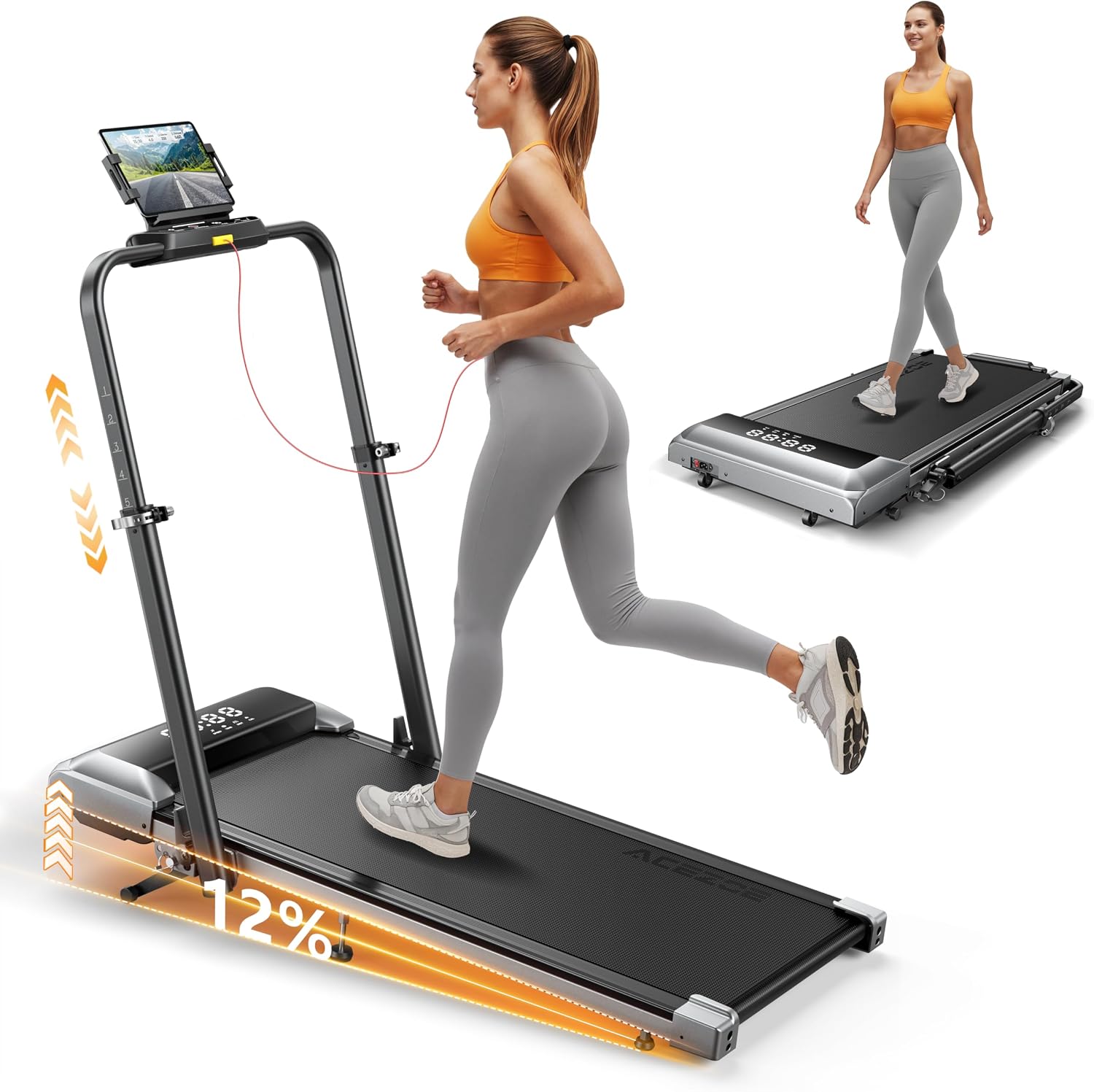
Acezoe Walking Pad Treadmill with 12% Incline & Height-Adjustable Handlebar
The only actual walking pad in this comparison, and the two features in its name, a 12% incline and a height-adjustable handlebar, are the ones that change how it feels underfoot
A handlebar competes with the underside of a standing desk, so this is a pad for walking in the open rather than tucked under a desk
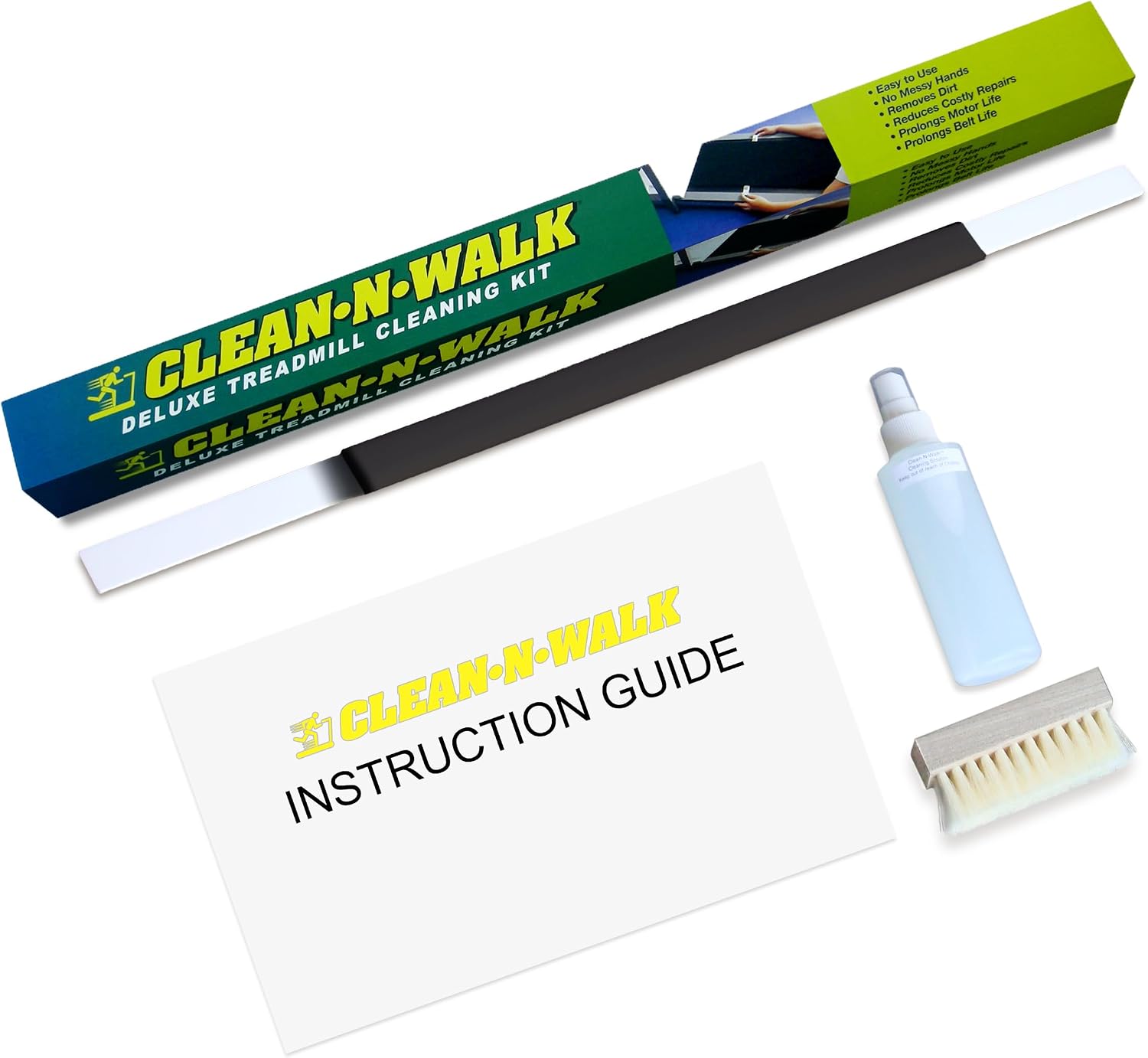
Clean-N-Walk Original Patented Treadmill Cleaning System Since 1998 and Official Partner for Major Manufacturers Made in USA (6 Month Supply)
Belt cleaning is the step almost everyone skips, and this is the most specific product for that job, with a stated 6 month supply and a long US manufacturing history
It cleans, it does not lubricate. You still need silicone, so this is never the only thing in the cart
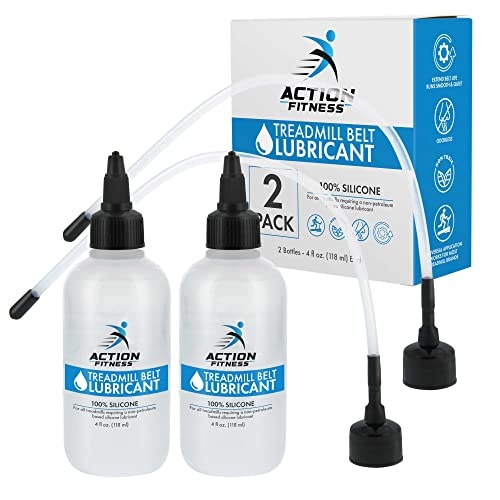
Action Fitness 100% Silicone Treadmill Lubricant - 4oz Bottles, 2 Pack
100% silicone, two bottles, which works out to roughly 236 ml total and covers a long maintenance schedule
Two small bottles mean two chances to lose a cap, and the applicator style is the thing to check before you commit
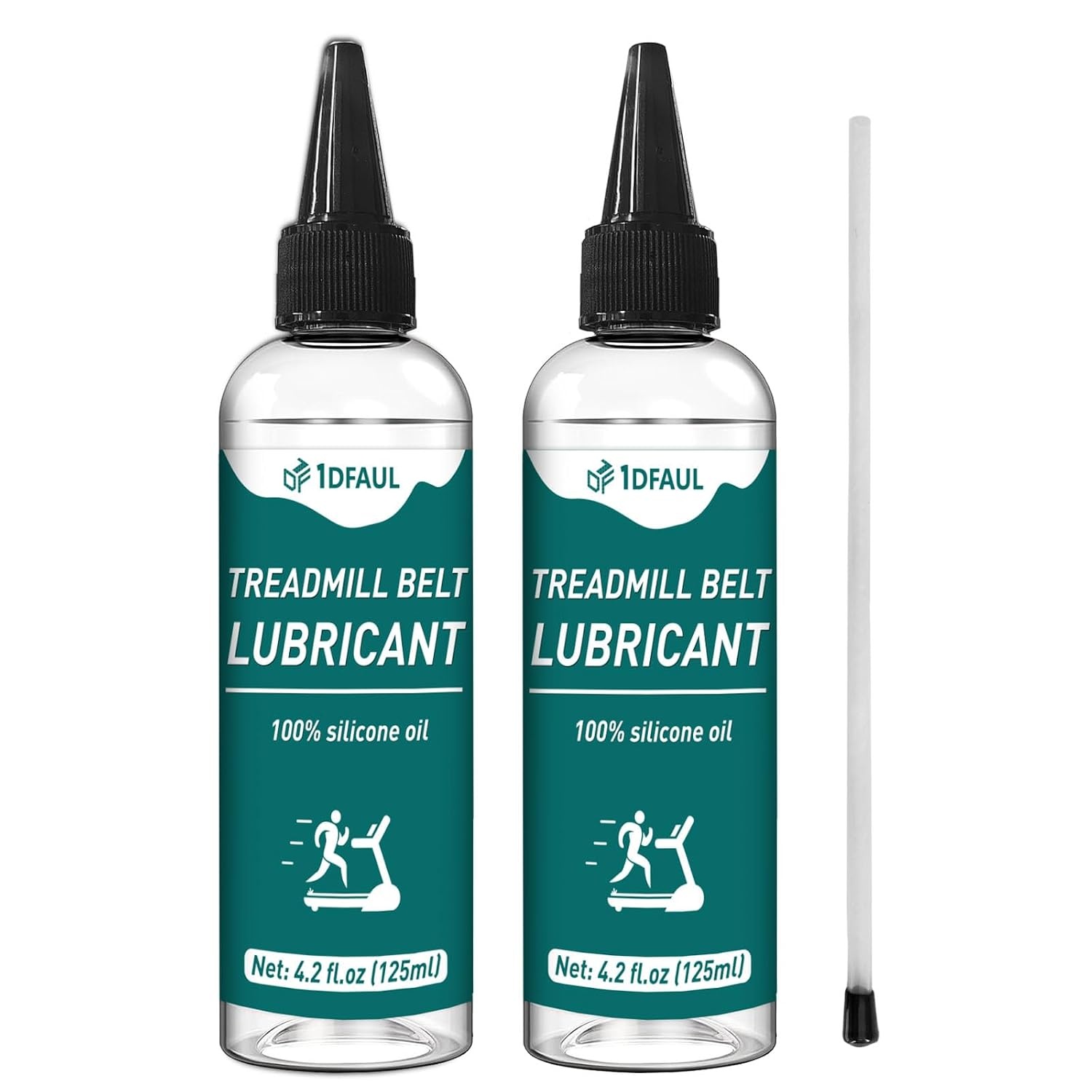
1DFAUL Treadmill Lubricant for Belt, 250ml Silicone Treadmill Oil Belt
250 ml of silicone oil in a single container, slightly more volume than the two-pack and one bottle to keep track of
One bottle and no backup, and the label wording matters more than the volume here
Prices and availability were captured from Amazon Creators API and may change.
How I judge cleaning and lubrication products
Three things decide whether a belt-care product earns shelf space in my office: whether the label names the chemistry, whether the volume matches how often you will actually apply it, and whether it is a cleaner or a lubricant, because those two jobs are not interchangeable.
I will not quote a viscosity number that a listing does not publish, and I will not tell you a product lasts six months unless the seller says so. The 6 month supply claim on the Clean-N-Walk package is the manufacturer's claim, not my measurement, and I am flagging it as such. What I can do is read each label against the job it claims to do and tell you where the gaps are.
The other rule I apply to this category: a product that solves a problem you do not have yet is not a bargain. If you have not bought a pad, a bottle of silicone is a strange first purchase. If you have owned one for a year and never touched the deck, the lubricant is the most overdue item in your home office.
The clean.n.walk vs eawongee walking pads mismatch
The clean.n.walk vs eawongee walking pads query is two questions stacked on top of each other. Question one: what do I put on the belt to keep it running quietly and stop it from slipping? Question two: which pad should I buy in the first place? Search engines happily mash them together because both strings contain the word "walking," and the results are unhelpful for exactly that reason.
Clean-N-Walk is a cleaning system. The listing describes it as patented, in production since 1998, made in the United States, sold as a 6 month supply, and used as an official partner product by major manufacturers. That is a belt and deck cleaner, the thing you use to lift sweat residue, dust, and that grey film that builds up where the belt wraps the rear roller.
Eawongee, as far as the name goes, is a walking pad brand. I am not going to describe a pad I have not verified, so Eawongee does not get a row in the table above. If you came here for a verdict on one of their pads specifically, this page will disappoint you on that point and I would rather say so than invent a spec sheet.
What the table does contain is everything I can stand behind in this batch: one walking pad with a real incline and a handlebar, one cleaning system, and two silicone lubricants. That set covers both halves of the query, just not as a head-to-head.
Cleaning and lubricating do two different jobs
A walking pad belt slides over a deck. Every step you take pushes grit into that interface, and every hour of barefoot or sock-foot walking adds a little moisture and skin residue to it. Cleaning removes the grit. Lubricating restores the thin silicone film that lets the belt slide without dragging.
Do one without the other and you get a predictable failure. Clean a belt and skip the lubricant, and you have a dry belt that grabs, heats up, and starts to chatter. Lubricate a dirty belt, and you have just glued the grit in place with silicone, which is worse than doing nothing. The order matters: clean first, let it dry, then apply a thin film.
A walking pad is not a gym treadmill, and the maintenance rhythm differs. The belt is short, the rollers are small, and the speeds are low, but the hours pile up because the whole point is walking through a workday. That combination means small, frequent applications beat one heroic soak. Thin film, more often, is the rule I follow, and I would rather under-apply and re-check in two weeks than over-apply and turn the deck into a lint trap.
One warning that costs people belts: a general-purpose penetrating oil is not a treadmill lubricant. If a can does not say silicone and does not name the belt or deck as its target, keep it away from the machine.
What the three maintenance products actually give you
The Clean-N-Walk system is the most specific product here. It exists to clean, it has a stated supply length, and its pitch is longevity rather than novelty. Buy it if your belt looks dull, feels tacky, or has visible buildup near the roller. Do not buy it expecting the belt to run quieter afterward, because quiet comes from lubrication, not from cleaning.
The Action Fitness lubricant is 100% silicone in two 4oz bottles. Two 4oz bottles converts to roughly 236 ml, which is a lot of applications for a walking pad, since a single service takes a thin line down each side of the deck. The two-bottle format is the practical detail: one lives under the desk, one lives in a drawer, and you are less likely to run out mid-service. Check the applicator style before you order, because a bottle with a poor spout makes a five-minute job into a twenty-minute cleanup.
The 1DFAUL bottle is 250 ml of silicone oil in a single container, slightly more volume than the two-pack and one fewer object to keep track of. If you are the kind of person who loses small bottles, the single larger container is the better fit. If you like having a spare, the two-pack wins on logistics. That is the whole decision between those two, and I would not pretend it is more dramatic than that.
The one real walking pad in this comparison
The Acezoe walking pad is the only actual machine in the table, and its name commits to two features that matter.
A 12% incline is a big number for this category. Most flat pads ask you to walk at 2 mph on a level belt, which is genuinely useful for NEAT and cadence but does nothing for load through the hips. Incline changes the walk from a shuffle into something with a bit of resistance, and resistance is what makes a 40-minute session feel like it counted.
The height-adjustable handlebar is the second feature and the more complicated one. A handlebar is a stability aid, and stability is the thing beginners underestimate on a short belt. It also makes the pad a piece of furniture rather than a floor mat, which is a real problem in a small office: a handlebar has to clear the underside of your desk, and on many standing desk frames it will not. If your plan is to walk while you type, measure the gap between the floor and the bottom of your desk frame before you buy anything with a bar on it. If your plan is to walk during calls with the desk raised, the bar is a feature, not a compromise.
The name does not tell you belt width, deck height, top speed, remote behavior, or warranty length, and those are the five things I would check next. Belt width decides whether your feet feel boxed in. Deck height decides whether the pad fits under your desk at all. The remote decides whether you actually change speed 40 times a day or leave it at one setting forever. The warranty tells you what the company thinks of its own motor. I would read those before I read a single review.
If you want the machine: Acezoe Walking Pad Treadmill with 12% Incline and Height-Adjustable Handlebar. Check current Amazon price.
Trade-offs worth naming before you buy
The biggest trade-off in this comparison is category, not quality. A cleaner, a lubricant, and a walking pad are three different purchases with three different jobs, and no amount of comparison shopping turns one into another.
Second: the handlebar pad and the under-desk pad are not the same product. A bar makes the machine safer for a new walker and less practical for a desk setup. Decide which of those you are before you look at specs.
Third: volume versus format. Two 4oz bottles and one 250 ml bottle hold almost the same amount of silicone. Pick the format that matches your habits, not the number that looks bigger on a listing image.
Fourth: the cleaning system is the item most likely to sit unused. It is a 6 month supply, which means it assumes you will clean on a schedule. If you are honest with yourself and know you will not, buy the lubricant, because a dry belt fails faster than a dirty one.
Fifth: everything here is cheap relative to the machine. The maintenance consumables are the least expensive part of owning a walking pad and the part most likely to extend its life. That is an unusual combination and it is why I keep writing about it.
What I would buy, and in what order
If you already own a walking pad and have never serviced it, buy silicone first: Action Fitness 100% Silicone Treadmill Lubricant, 4oz Bottles, 2 Pack or 1DFAUL Treadmill Lubricant for Belt, 250ml Silicone Treadmill Oil Belt. Either one. Check current Amazon price on both and take the format you will actually use.
If your belt already looks glazed, feels tacky, or you walk barefoot and sweat into it, add the cleaner: Clean-N-Walk Original Patented Treadmill Cleaning System. Clean, dry, lubricate, in that order. Check current Amazon price.
If you do not own a pad yet and the incline plus handlebar combination is what you want, the Acezoe above is the machine to look at, with the desk-clearance caveat attached.
And if you arrived with the exact phrase in mind, the fair summary of the clean.n.walk vs eawongee walking pads question is this: one name is a belt cleaner, the other is a pad brand, and the useful comparison is not between them. It is between the maintenance products you will actually use and the pad you will actually walk on. Buy the lubricant before you need it, measure your desk before you buy a handlebar, and check the warranty before you fall in love with an incline number.