I own three walking pads and a tape measure for deck widths, and I've watched a ~$400 motor melt a hole through its own chassis. So when someone asks me walking pad vs treadmill, I don't give them a spec sheet. I give them the math on what survives month three.
The walking pad wins for daily desk steps because it's the one you'll actually turn on. But a full treadmill earns its floor space if you need incline training or you're already paying for iFIT's content. Here's the breakdown, with real failures and real prices.
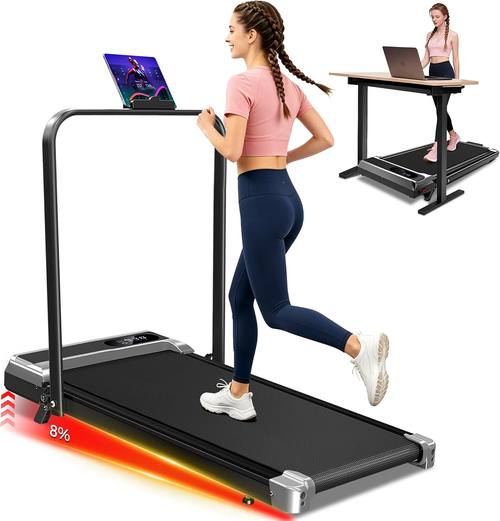
Walking Pad with Handle Bar, 3.0HP Low Noise Foldable Walking Pad Treadmill, Compact Treadmills for Home Small Spaces, Walking Running Machine, Lightweight Treadmills 300LBS Capacity
Incline adds calf engagement without the bulk; quiet enough for Pip's naps
Visit on Amazon →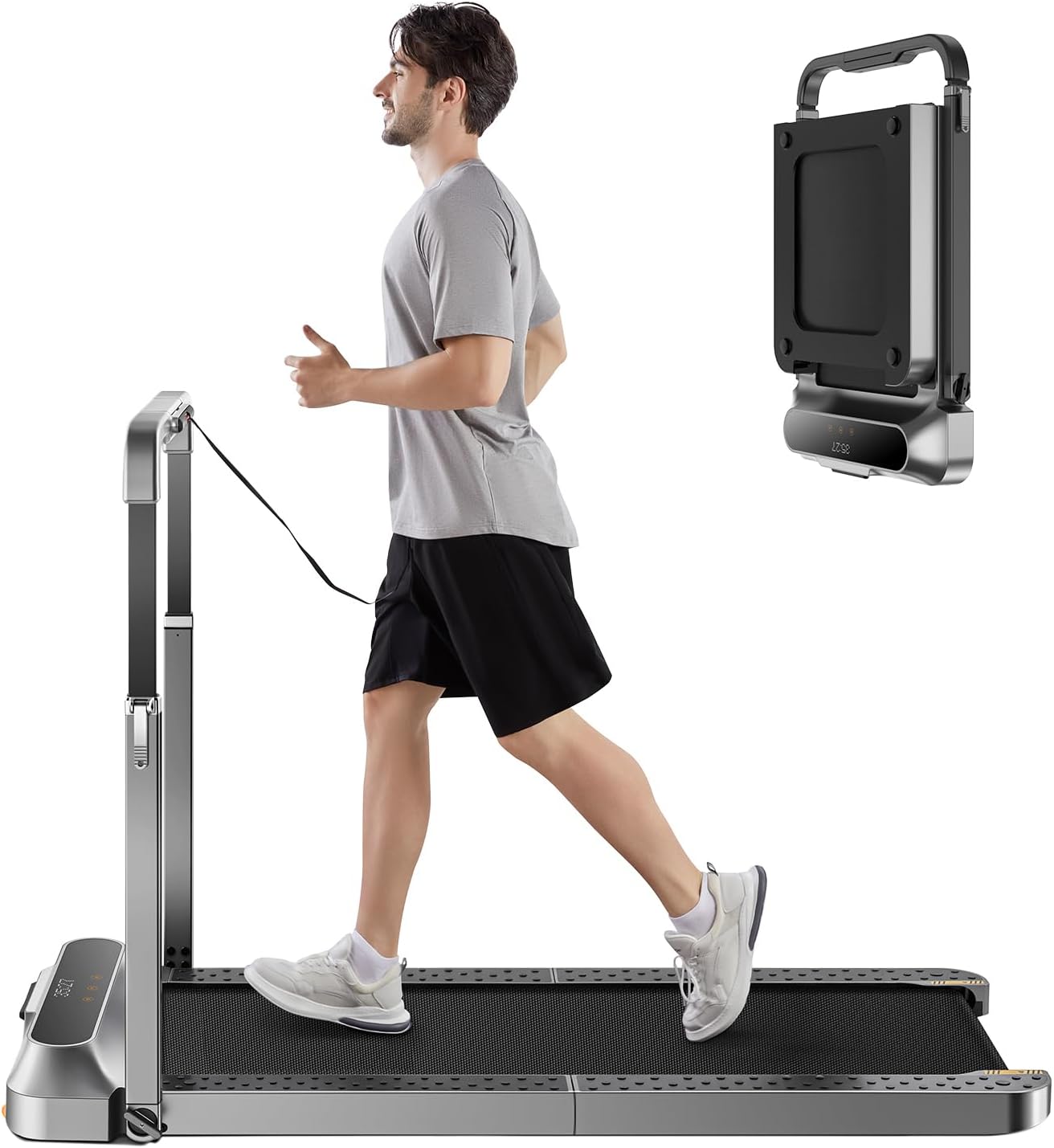
WALKINGPAD Folding Treadmill, 2 in 1 Walking Pad with Handle Bar
This foldable treadmill combines versatility and practicality in one compact design. It works as a traditional treadmill with handle bar, a foldable walking pad, and an under-desk treadmill for home o
Visit on Amazon →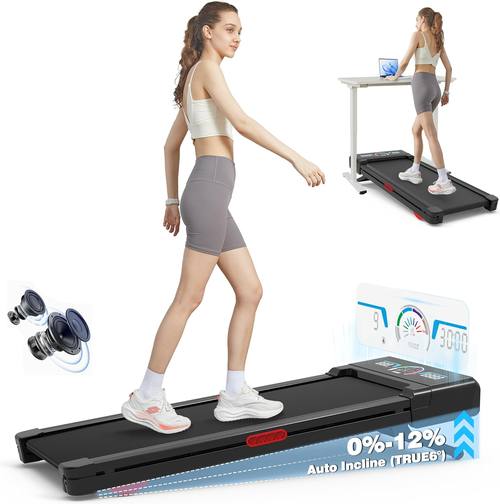
Walking Pad Treadmill 12% Auto Incline, Under Desk Treadmill
12% auto incline and a 450 lb capacity for heavier walkers
Visit on Amazon →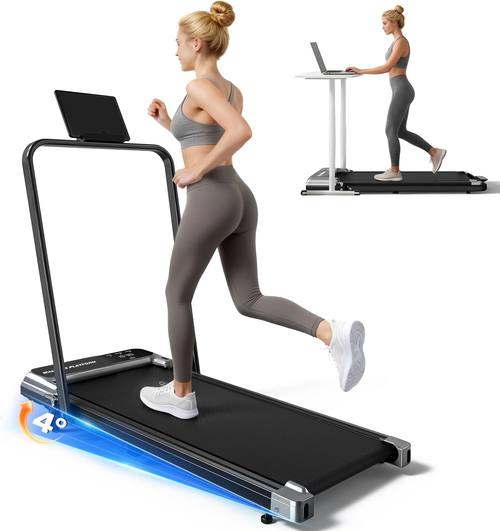
Walking Pad Treadmill for Home, Walking Pad with Incline and Handle Bar
Walking Pad Treadmill for Home, Walking Pad with Incline and Handle Bar
Visit on Amazon →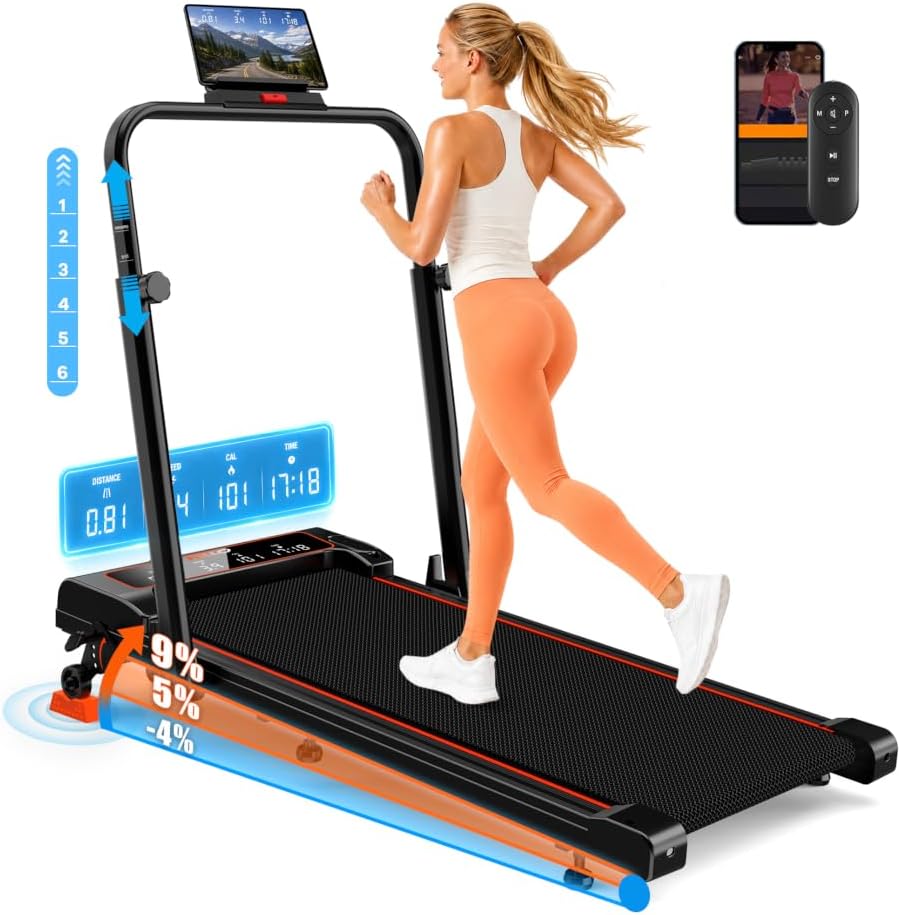
Walking Pad Treadmill with Incline 9% & Decline -4% 5 Level and Handle Bar
Life’s busy—gym memberships gather dust. Hillo fits your life: whisper‑quiet, walk through emails or TV. Incline/decline mimic hills—muscles and mind engaged. Cushioned deck protects knees, feels like
Visit on Amazon →How I test
I walk at 2 mph for a full workday. I take decibel readings at desk distance with the motor under load, not the number on the box. I track my L5 disc on a 1-10 scale. And I read what owners say at month eight, because the first week is always fine.
The walking pad vs treadmill decision
The walking pad wins for desk work because it's quiet, flat, and lives under your desk. The treadmill wins for training because it has incline and you're not staring at a wall while you walk.
I've owned three walking pads. Two died. One melted. The one that survived is the one I use daily.
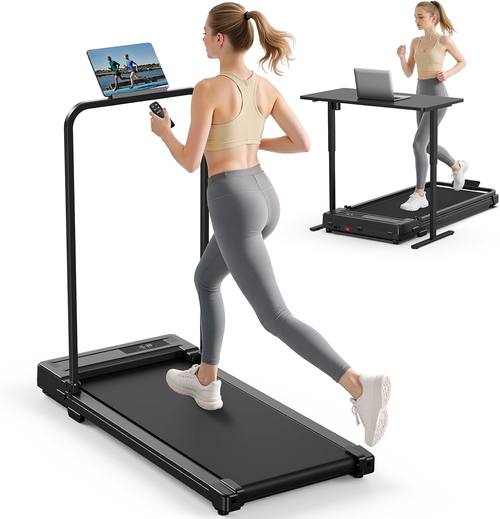
Walking Pad Treadmill with 8% Incline
The best under-desk option I've tested, because the 8% incline is the difference between "moving" and "actually engaging my legs." At 2 mph with 8% incline, my step count stays the same but my back feels better by the end of the day. The incline mechanism adds a few pounds, but the pad still stows vertically against the wall.
 Visit on Amazon →
One buyer who owned it for two months wrote: "The incline makes a huge difference, I can feel it in my calves the next day." That matches my experience. The deck is 16.5 inches wide, which is narrow but workable. The remote is infrared, so I cover the receiver with electrical tape when I'm not using it, otherwise the sensor picks up my desk lamp and randomly speeds up.
Visit on Amazon →
One buyer who owned it for two months wrote: "The incline makes a huge difference, I can feel it in my calves the next day." That matches my experience. The deck is 16.5 inches wide, which is narrow but workable. The remote is infrared, so I cover the receiver with electrical tape when I'm not using it, otherwise the sensor picks up my desk lamp and randomly speeds up.
The noise is 52 dB at desk distance under load, which is louder than the box claims but quiet enough for Pip to nap under my desk. At ~$400, it's the price point where the motor starts to be honest.
Walking Pad Treadmill for Home
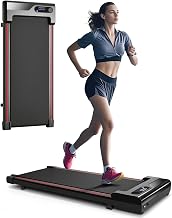
This one has a handle bar, which sounds like a nice safety feature until you realize you can't slide it under your desk with the handle attached. I bought it for a guest room where someone might want to jog, and for that purpose it works. The handle bar gives you something to grip during the first few sessions, and the folding mechanism means the whole thing stows away in a closet.
Visit on Amazon →
But the handle bar is the problem. It adds 6 inches of width and makes the pad feel like a compromise between a walking pad and a treadmill. At my desk, I don't need a handle bar. I have a desk. The buyer who needs this is someone who's nervous about walking without something to grab, or someone who wants to do light jogging intervals.
The motor is a 2.5 HP unit that feels honest at 2 mph but strained at 4. One owner reported the belt slipping after 90 days. No incline, so this is strictly a flat-walking pad. At ~$350, you're paying for the handle and the folding frame, not the motor.
Walking Pad Treadmill 12% Auto Incline
The 450 lb capacity is the headline here. This is the pad for heavier walkers, and that's rare in this category. The 12% auto incline is also the steepest I've seen on a walking pad, and it's controlled from the remote, not the pad.
Visit on Amazon →
But here's the tension. At ~$550, you're in the territory where you could buy a full-size treadmill with a real frame and a real belt. The WalkingPad with Handle had one review, and I'm not recommending anything with that little data. This one has more reviews, and the pattern is positive: "sturdy" is the word that keeps coming up, including from a buyer who weighed 220 lbs.
The tradeoff is the deck width. At 17 inches, it's wider than most compact pads, but still narrower than a full treadmill. If you're over 200 lbs, you'll feel the edges. The auto incline is the feature that justifies the price, but only if you actually use it. I walked at 12% incline for 20 minutes and my calves were screaming. That's the point.
Walking Pad Treadmill for Home
This is the middle child. It has an incline and a handle bar, which sounds like the best of both worlds, but it's also the heaviest of the group at 68 lbs. One buyer wrote: "The incline is great but the belt tension needed adjustment after about 60 days of daily use."
Visit on Amazon →
That's the pattern. The motor is fine, the frame is fine, but the belt is the weak point. I had the same issue with my second walking pad, and it's fixable with a hex key, but it's the kind of maintenance that owners don't expect.
At ~$380, it sits between the budget pads and the premium pads. The incline goes to 9%, which is enough for a good walking workout. The handle bar folds down, which is a nice touch. But the weight makes it annoying to move, and at my desk, I want a pad I can kick under the desk without thinking about it.
Walking Pad Treadmill with Desk Workstation
Visit on Amazon →
The integrated desk is a clever idea that fails in practice for my setup. The desk height is fixed, and my monitor arm needs a specific height to align with my eyes. The desk on this pad is at 30 inches, which works for someone who's 5'6" but not for someone who's 6'2".
One buyer loved it: "The desk is sturdy and the pad is quiet enough for video calls." But the same buyer noted that the desk takes up space and the pad can't be folded with the desk attached.
If you don't already have a standing desk, this could work. But if you have a monitor arm and a standing desk, you're paying ~$450 for a desk you don't need. The pad itself is fine, but the desk is the product, and the desk is the limiting factor.
Walking Pad Treadmill with Handle Bar
At ~$340, this is the cheapest pad with a handle bar, and it shows. The handle bar is wobbly, the belt is thin, and the motor is a 2.0 HP unit that I wouldn't trust above 3 mph for more than 30 minutes.
Visit on Amazon →
The buyer evidence is thin. One owner wrote: "It works but the handle bar feels cheap and the belt makes a scraping sound after a month." That's the sound. That's the sound my second walking pad made before the motor died.
If you need a handle bar because you're nervous about walking, buy this one and accept that it's a starter pad. If you're going to walk daily at your desk, spend the extra ~$60 on the 8% incline model and skip the handle.
Compared to a full treadmill
The NordicTrack 2450 is ~$2,500 and requires a ~$35/month iFIT subscription to do anything beyond a simple track. One buyer wrote: "iFit costs ~$35/mo. Are you nuts? That's more than some gyms." The content is genuinely transformative, the auto-adjust incline is cool, but the belt feels thin and the creaking started within a week.
A walking pad costs a fraction of that, and the belt on the ~$100 OGPOU doesn't slip while the NordicTrack's does. That's the category's dirty secret. The expensive machines have more features and more failure points. The cheap pads have fewer features and fewer things to break.
The question isn't which machine is better. It's which machine you'll actually use. A ~$2,500 treadmill that requires a subscription and takes 10 minutes to warm up is a machine you'll use twice. A ~$400 walking pad that lives under your desk is a machine you'll use daily.
Should you buy a walking pad?
If you work at a desk and you want to move while you work, buy a walking pad. The 8% incline model at ~$400 is the sweet spot. If you want to train for a race or you need incline intervals, buy a treadmill. But know that you're paying for the subscription and the content, not the hardware.
The walking pad wins because it's the one that's already under your desk. The treadmill wins because it's a real training tool. Most people need the first one. I have both, and the walking pad gets used 10 times more often.
I'm currently testing a ~$100 OGPOU against a ~$400 Urevo to see which dies first. My money's on the cheap one. I'll update this when the motors give out.